2026 A2L For Bambu Lab H2C Bed Double Sided A2L Bambulab Smooth Build Plate For Bambu Lab Accessories Spare Parts Bambu Heat Bed


2026 A2L For Bambu Lab H2C Bed Double Sided A2L Bambulab Smooth Build Plate For Bambu Lab Accessories Spare Parts Bambu Heat Bed
SPECIFICATIONS
Assembly Required: no
Brand Name: IdeaFormer
Choice: yes
Control Method: Others
High-concerned chemical: none
Item Shape: Flat
Item Type: Heatbed
Model Number: Bambulab H2C Bed Plate
Origin: Mainland China
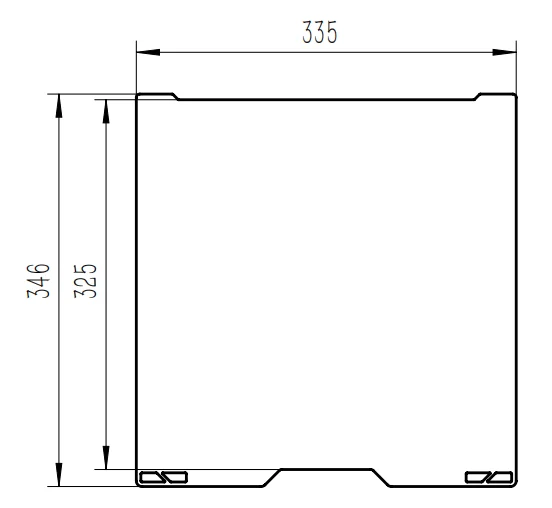
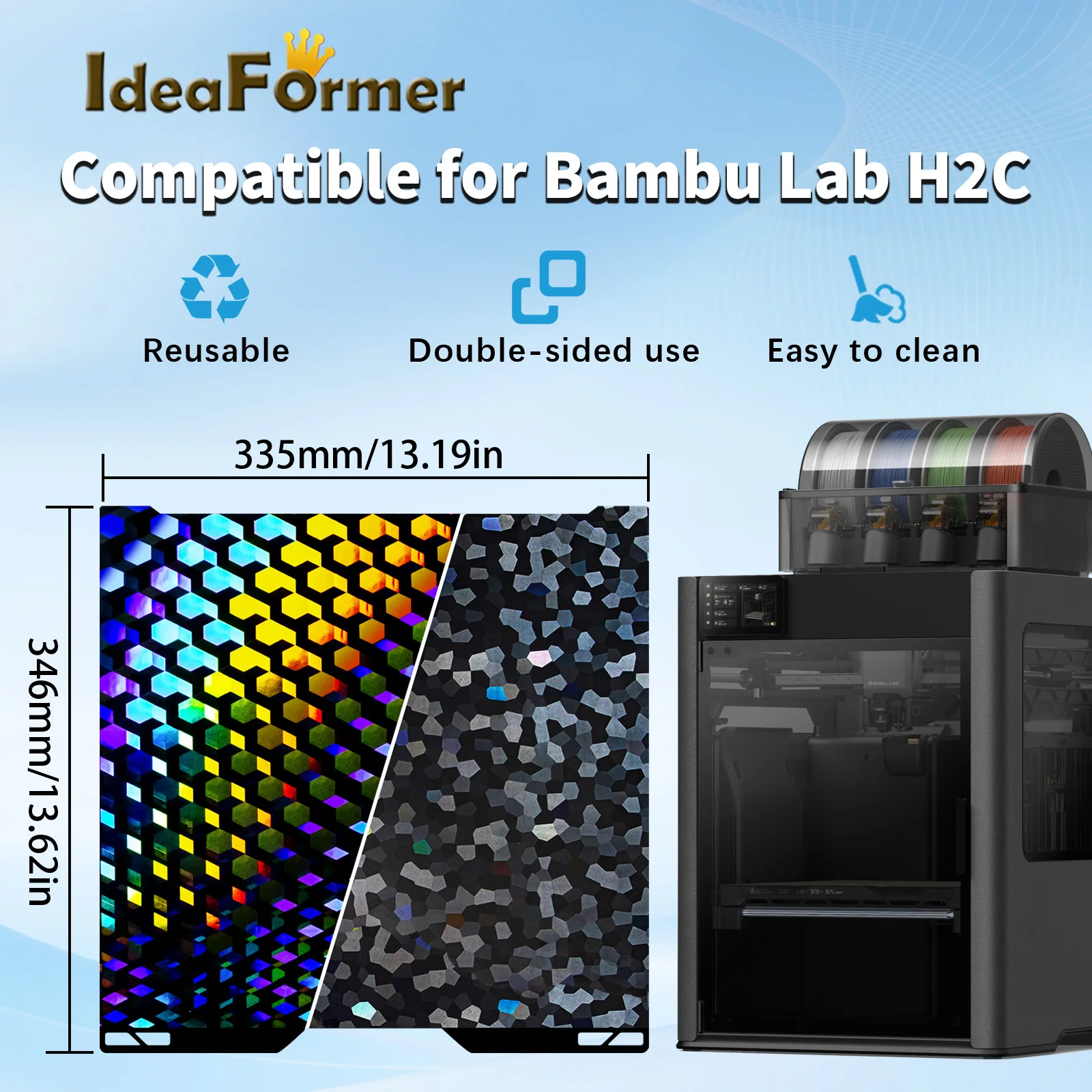
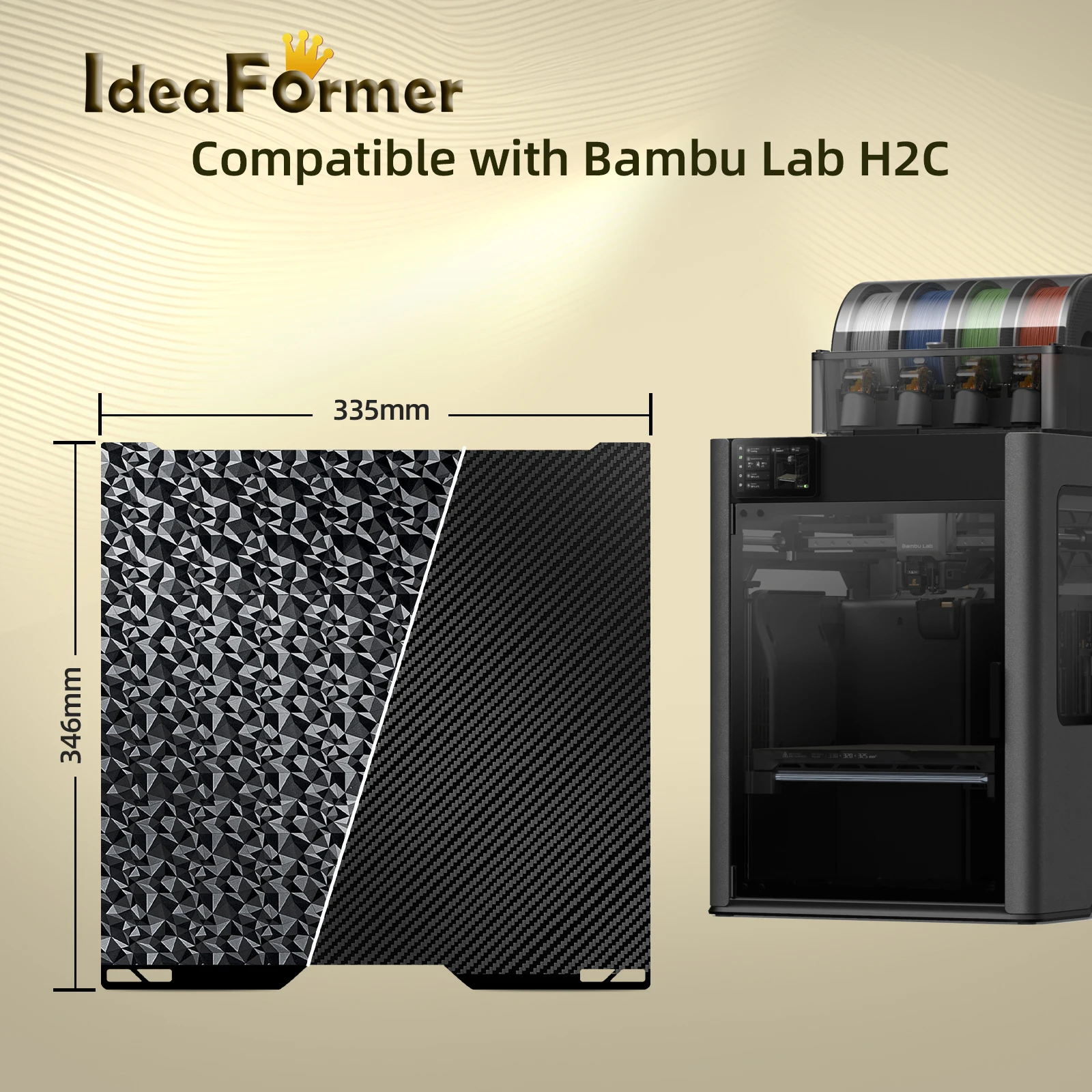
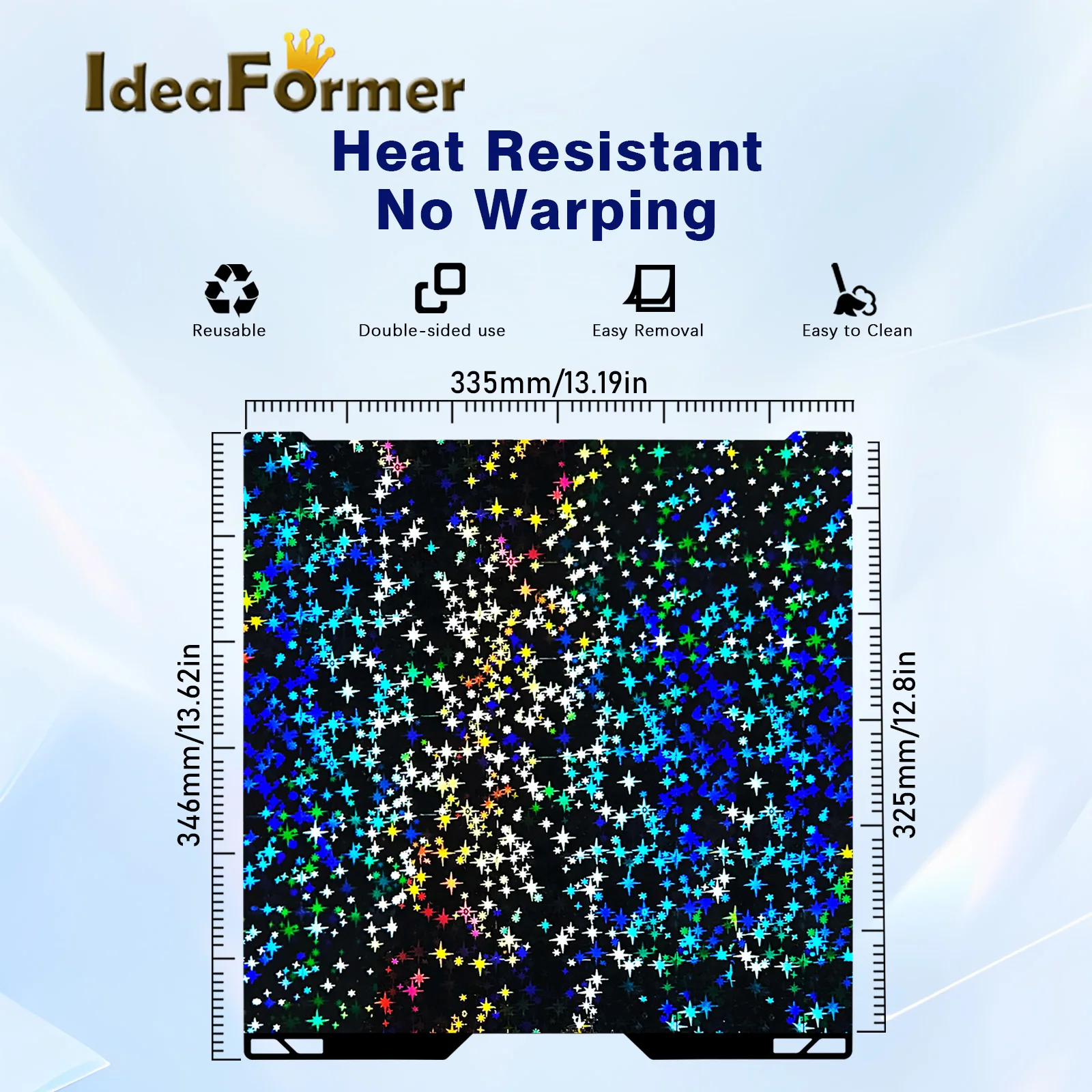
Size: 335x346mm
Suitable for: Bambu lab H2C 3D Printer
semi_Choice: yes
Item you may like

1.Material
PEF:
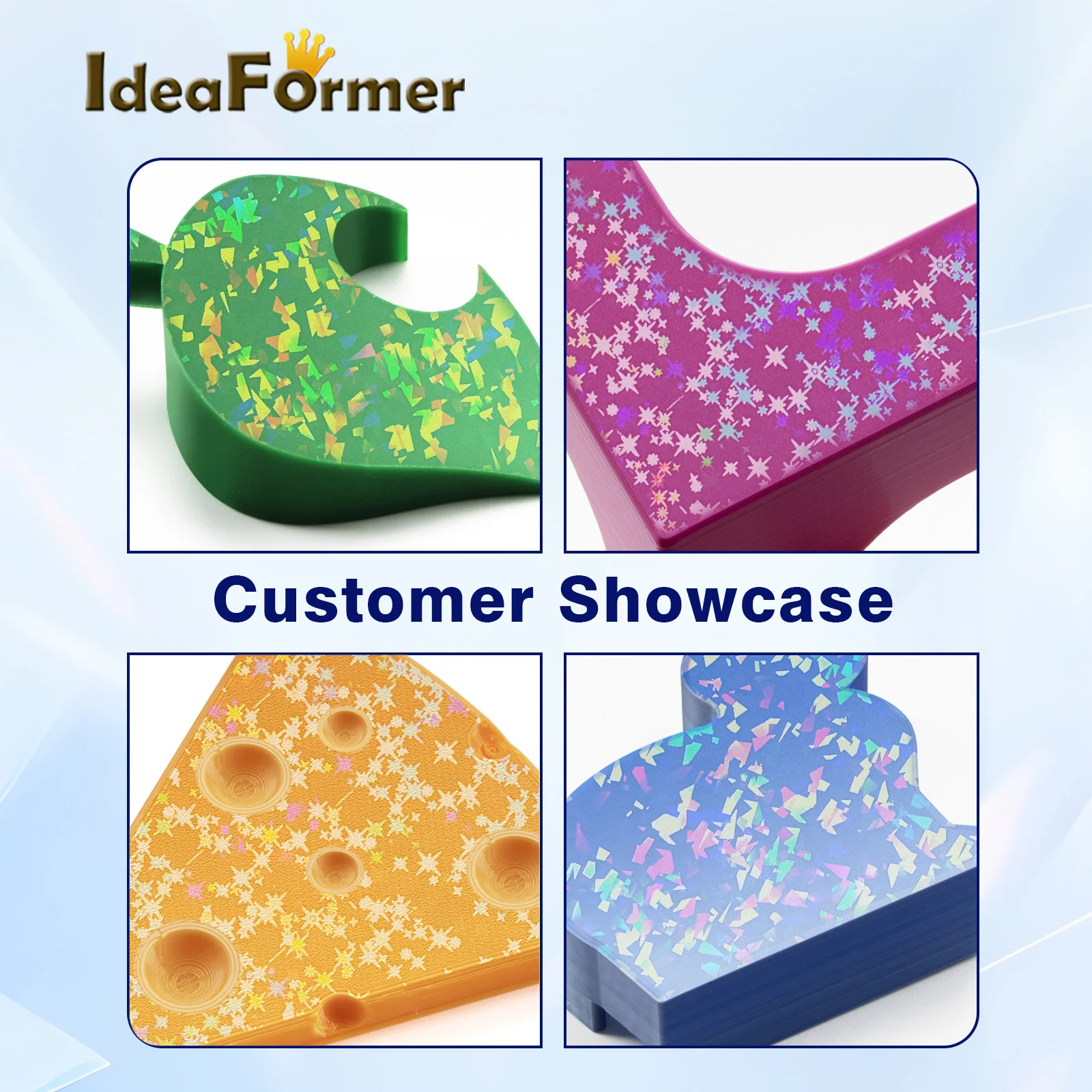
1).Material: PEF film (star + fragment pattern) + steel plate
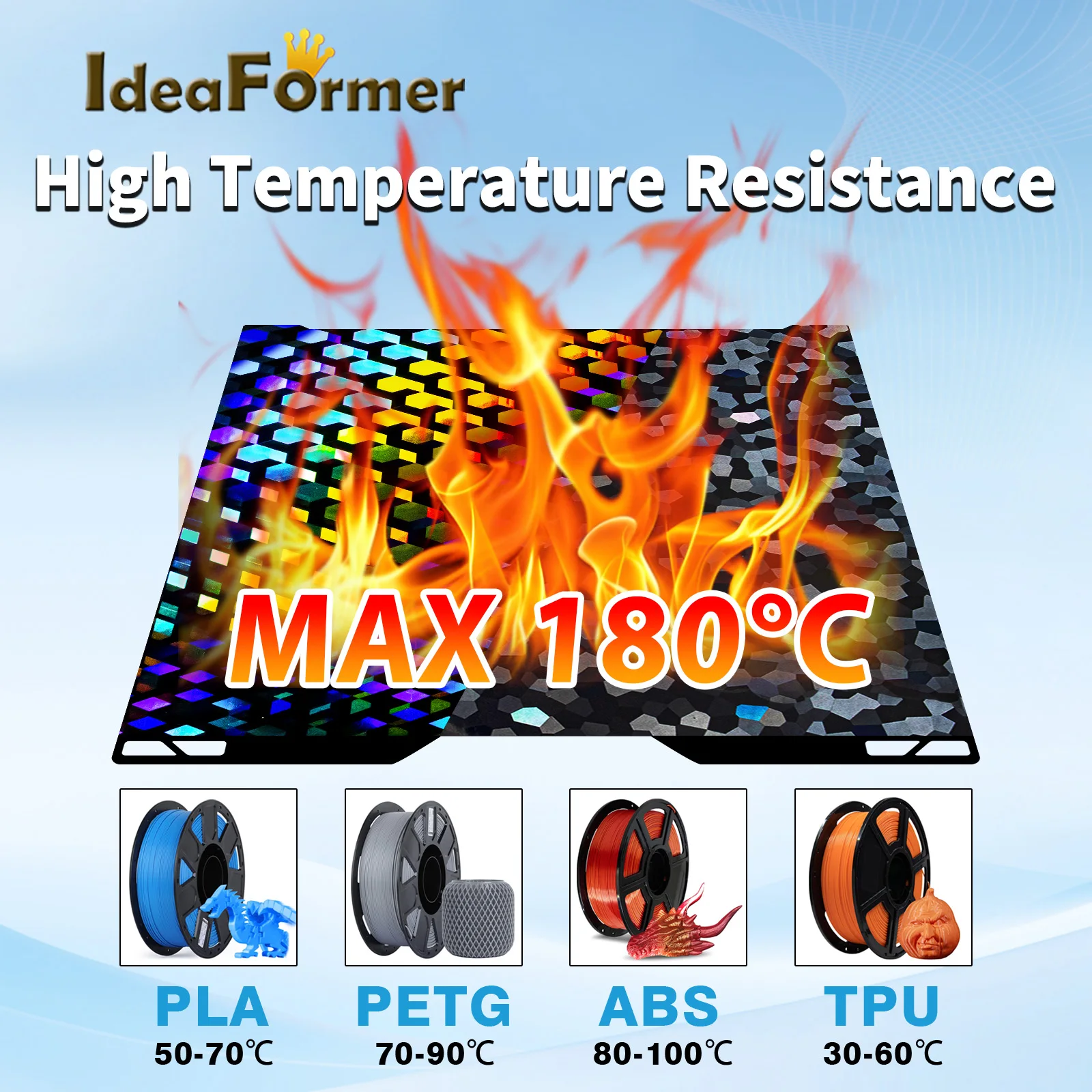
2).Temperature resistance: Maximum temperature resistance 180℃, long-term temperature resistance 160℃
PEG:
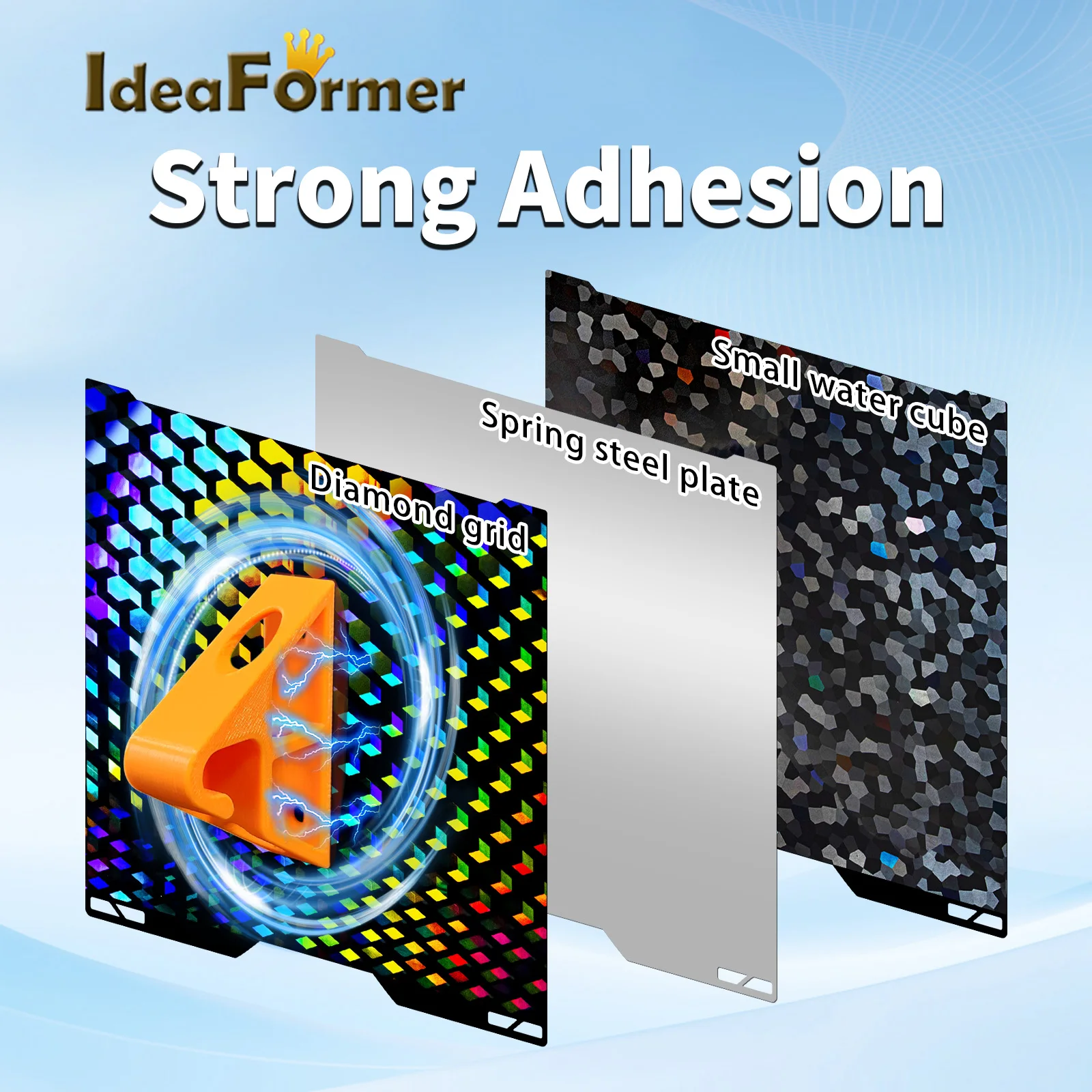
PEG (film rhombic grid + small water cubes) + steel plate
PEO-PET:
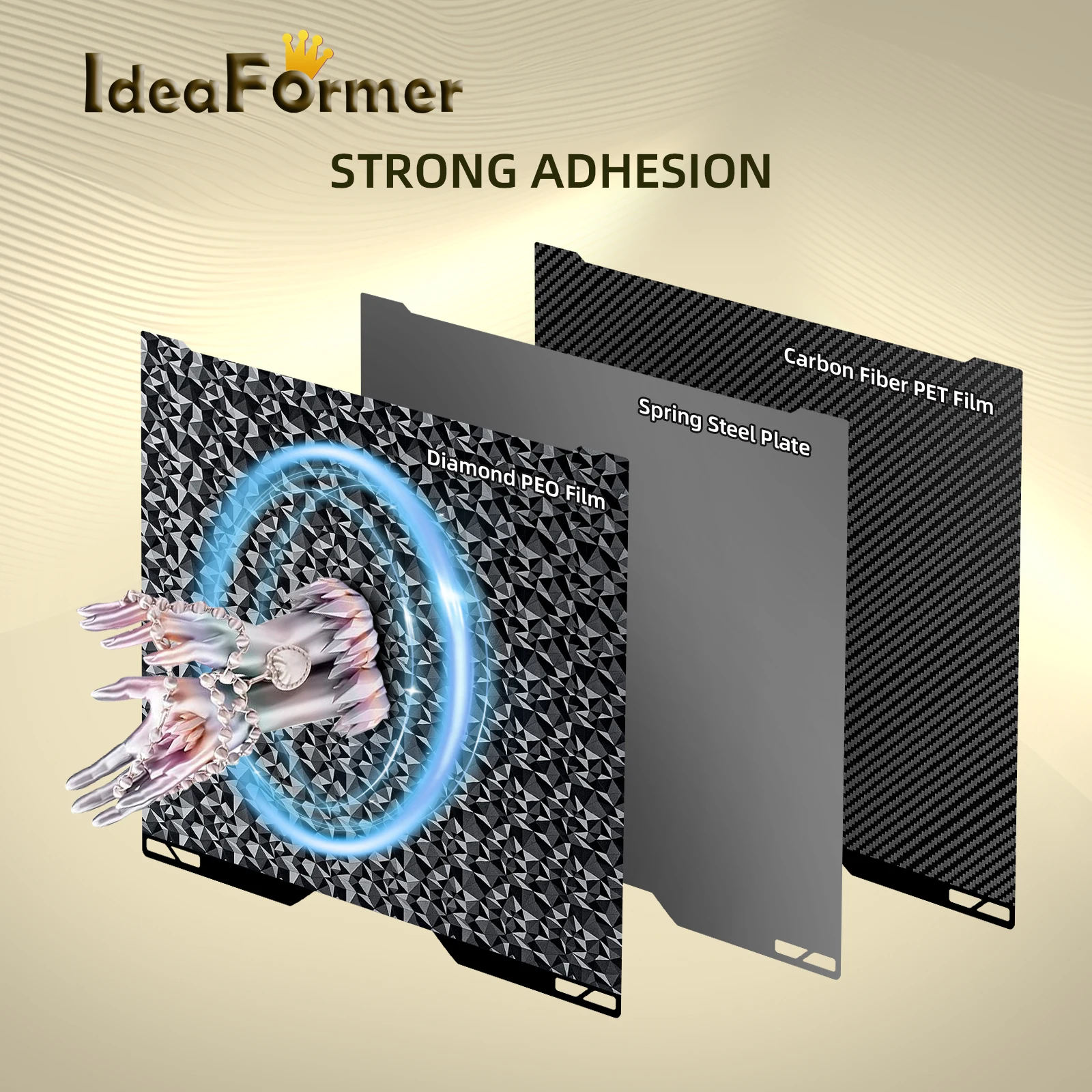
1).Product Material: PEO/PET film
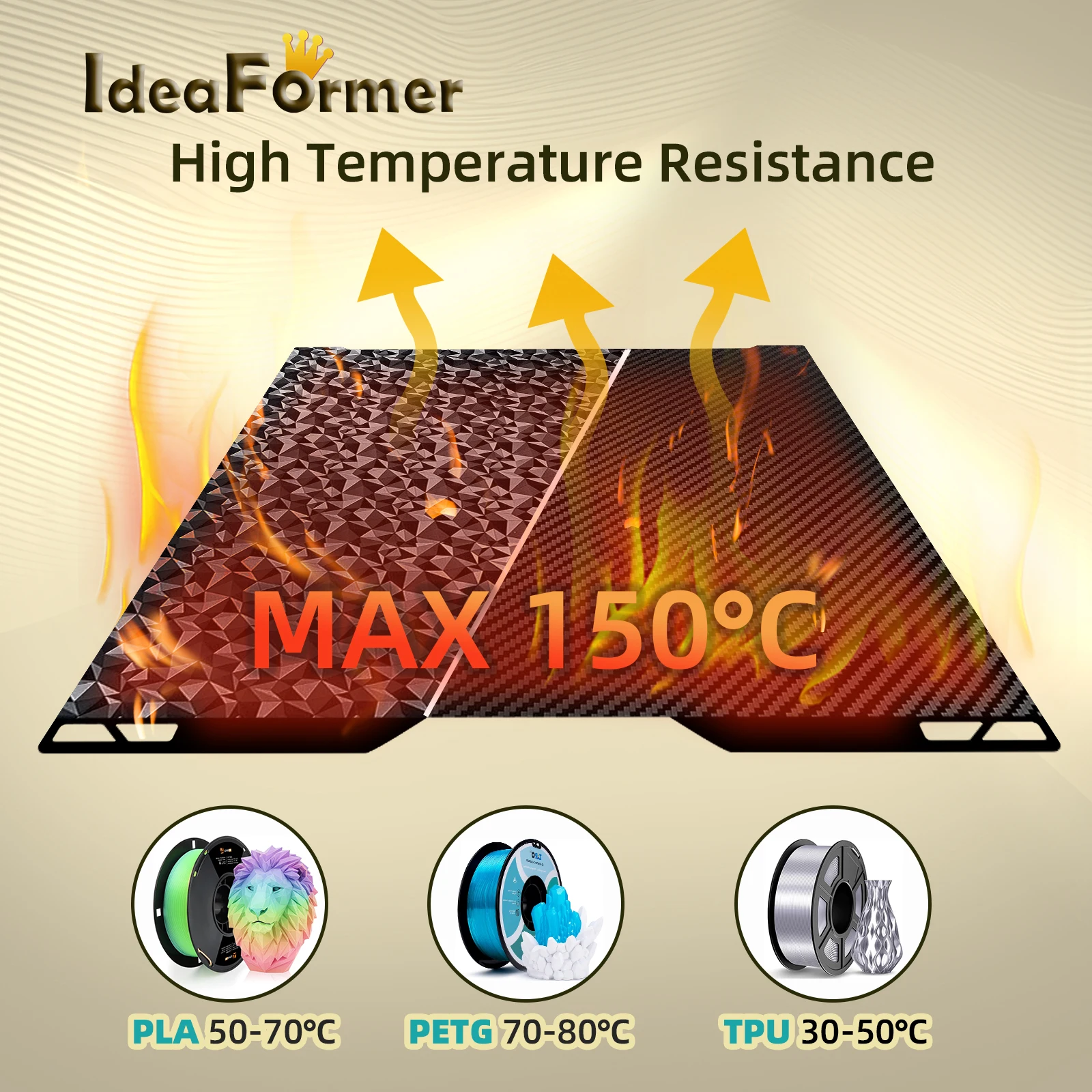
2).High Temperature Resistance: Maximum temperature resistance 150℃, long-term maximum temperature resistance 120℃
2.Advantages and Disadvantages
PEF:
Advantages:
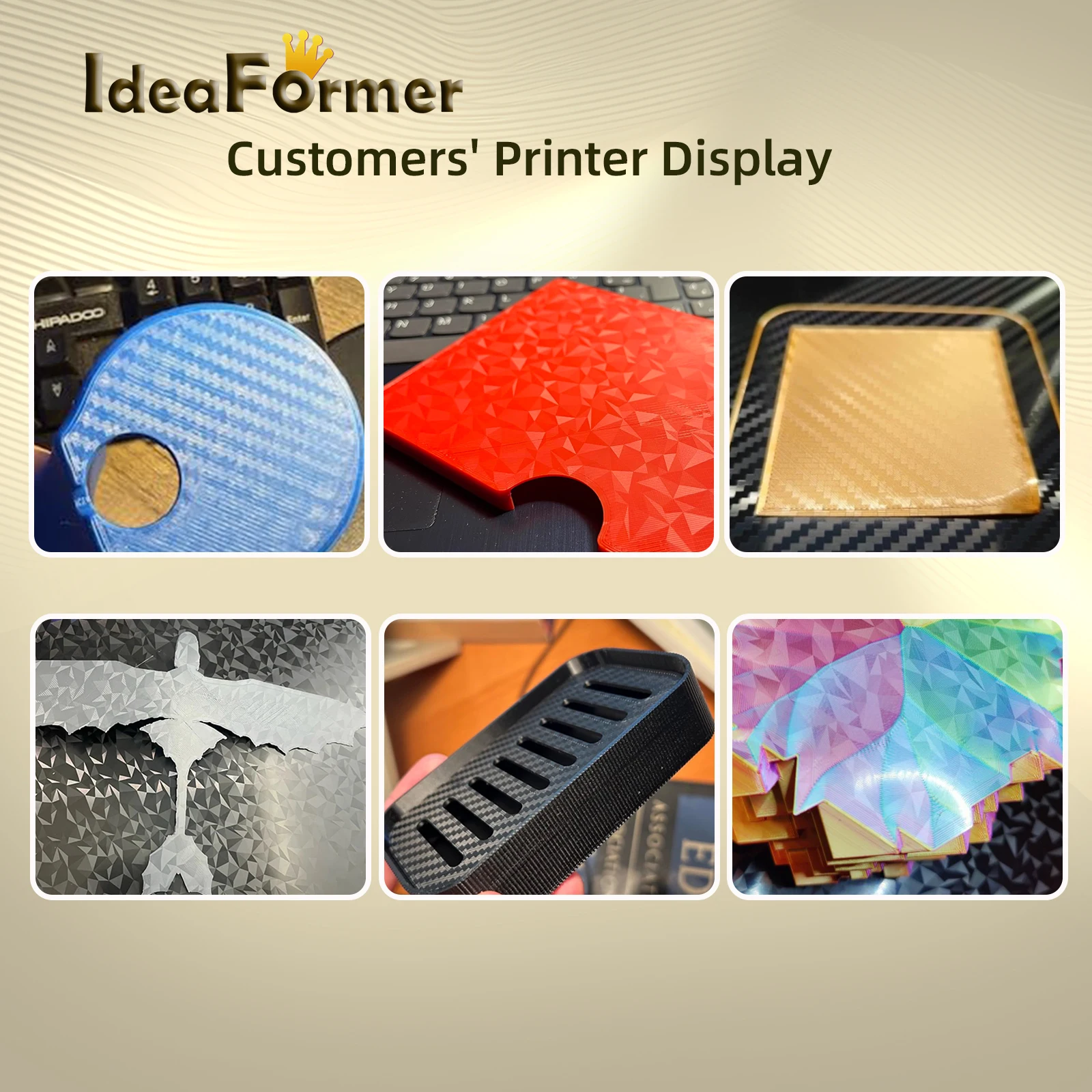
1). The PEF side features colorful patterns, offering a more novel look and leaving a colorful mark on the model's surface after printing.
2). Both sides can be printed, allowing for two different patterns to be obtained from a single heated bed.
Disadvantages:
1). If the star pattern printed on the PEF side is wiped with hands or other oily substances, the pattern may fade or disappear. Wiping the surface with a damp paper towel or alcohol can restore the pattern.
2). If ABS or PETG models printed on the PEF side experience edge warping, sealing the box or applying adhesive is required.
PEG:
Advantages:
1). The PEG side features a wavy pattern, which is more novel and leaves a pattern on the model surface after printing.
2). Both sides can be printed, and two patterns can be obtained from one heated bed.
Disadvantages:
1). If the surface pattern of a model printed on the PEG side is wiped with hands or other oily substances, it may fade or disappear. Wiping the surface with a damp paper towel or alcohol can restore the pattern.
2). If ABS or PETG printed on the PEG side warps, sealing the box or applying adhesive is required.
PEO-PET:
Advantages:
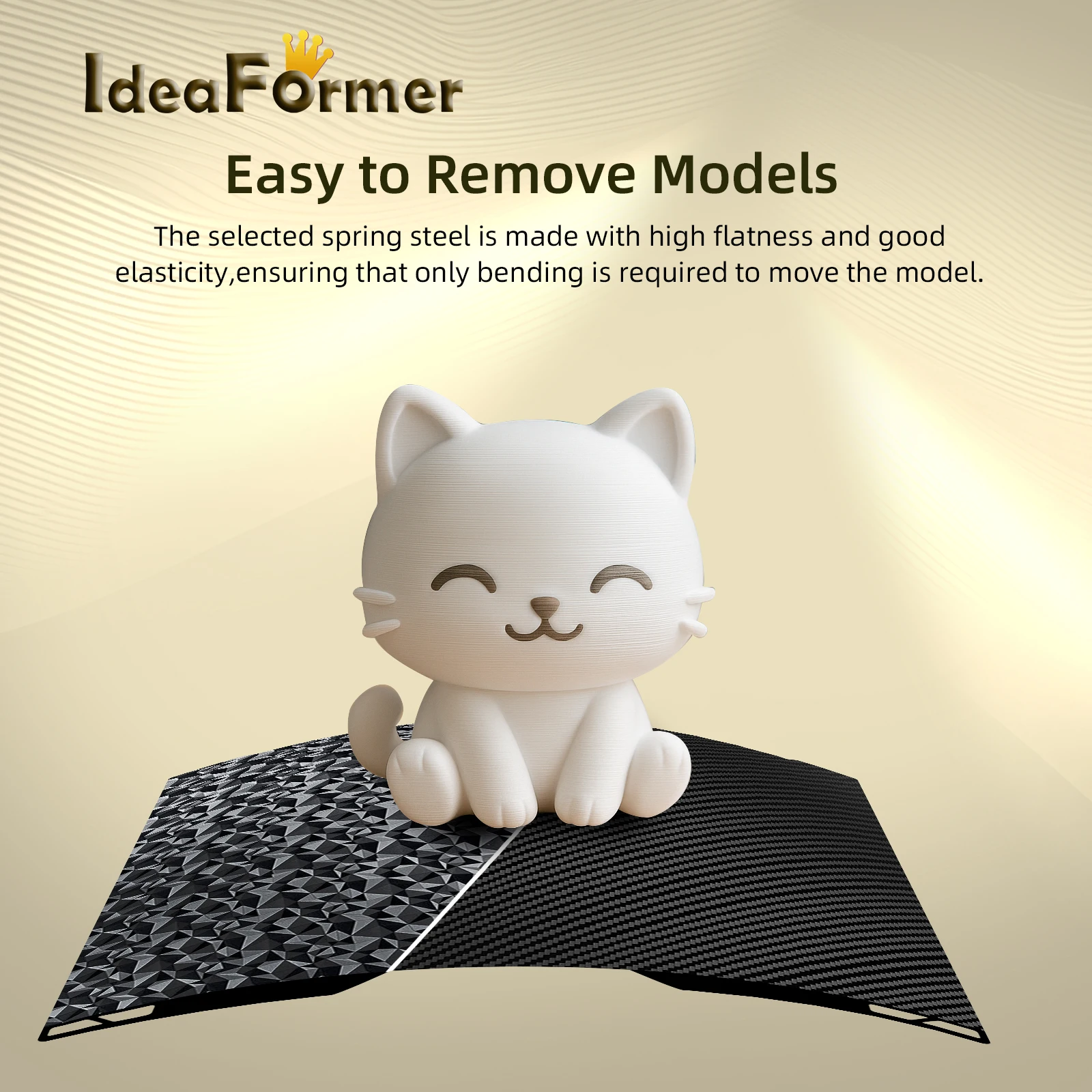
1). Both sides can be printed, allowing you to experience two materials on one heated bed;
2). PEO has patterns, while PET has carbon fiber textures, offering a more novel design;
Disadvantages:
1). PEO/PET patterns may fade over time;
2). The surface is not scratch-resistant; avoid using sharp or hard objects to scratch the heated bed.
3.Instructions
PEF:
1).Recommended printing media: PLA/PETG/ABS/TPU
2).Recommended heated bed printing temperatures: PLA 50-70℃, PETG 70-90℃, ABS 80-100℃, TPU 30-60℃
3).If the printing media curls up or doesn't adhere well, it may need to be used in conjunction with carton sealing or solid adhesive for printing.
PEG:
1).PEG surface temperature resistance: Maximum temperature resistance 180℃, long-term temperature resistance 160℃
2).Recommended printing media for PEG: PLA/PETG/ABS/TPU
3).If printing media exhibits edge curling or poor adhesion, it may require the use of sealing materials or solid adhesive for printing.
4).PEG surface can be cleaned using a damp paper towel or alcohol.
PEO-PET:
1).Recommended heated bed printing temperatures: PEO side PLA 50-70℃, PETG 70-80℃, TPU 30-50℃
2).PET side PLA 50-70℃, PETG 70-80℃, TPU 30-50℃
3).Recommended printing materials: PEO/PET, PLA/PETG/TPU
4).If the printing materials do not adhere well, it is recommended to seal the box during printing or apply adhesive to the heated bed to aid adhesion.
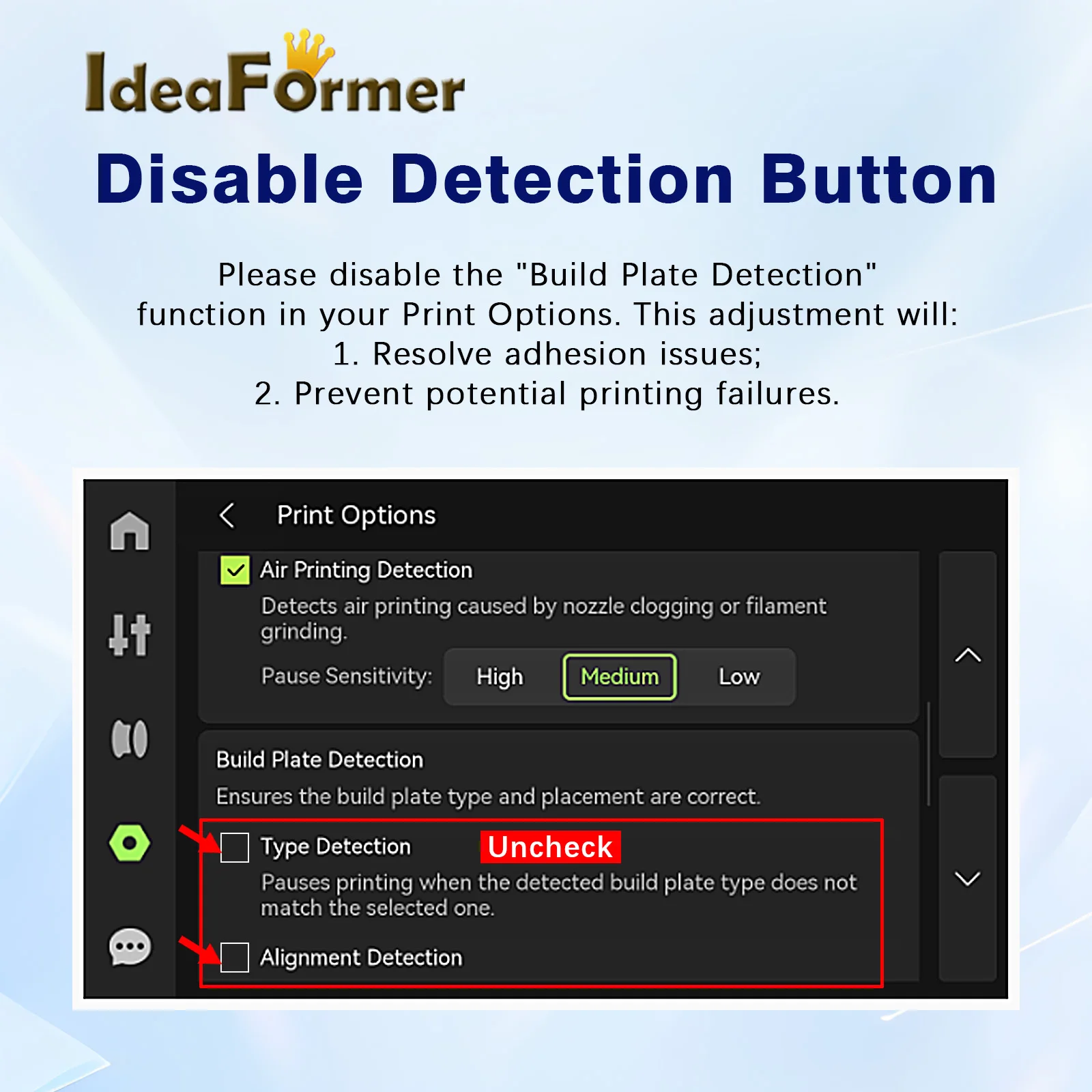
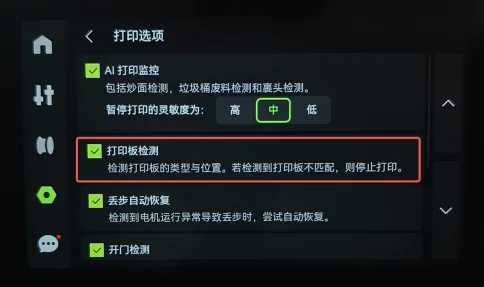
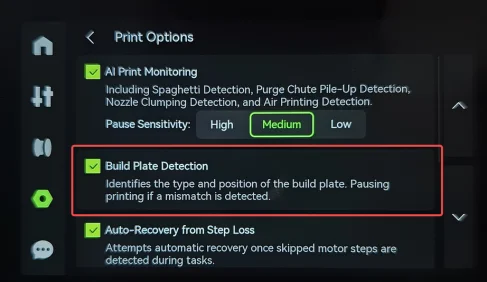
There is no QR code on the heated bed plate; you need to turn off the printing plate detection on the printer.
4.Product drawings